August 18, 2026
Selecting the appropriate roofing material for a commercial facility is one of the most critical decisions a property owner can make. A roof serves as the primary barrier protecting structural assets, equipment, inventory, and occupants from severe weather and fluctuating temperatures. Because commercial properties vary widely in size, design, slope, and operational requirements, choosing a material demands thorough evaluation of performance traits and resilience. Analyzing material compositions allows owners to protect their investments.
Beyond fundamental shelter, an effective commercial roof actively contributes to internal temperature regulation and overall structural stability. Choosing the right system requires balancing weather resistance, material flexibility, installation requirements, and maintenance schedules. Partnering with a dedicated commercial roofing service allows property owners to navigate these choices with confidence, ensuring the selected material matches the physical demands of the building. This guide examines primary commercial roofing options available today, outlining their unique characteristics and practical benefits.
Understand Built-Up Roofing Systems
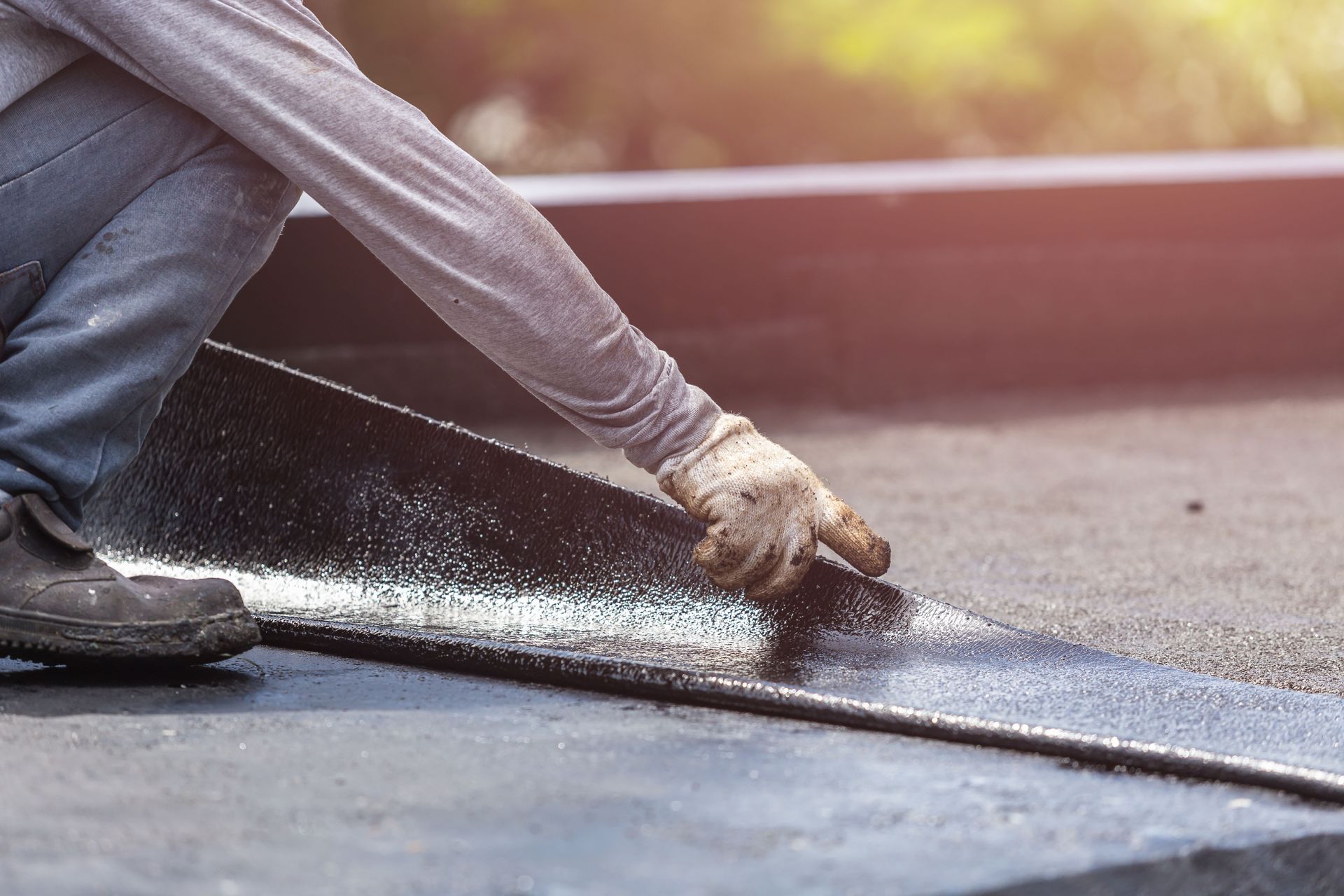
Built-up roofing systems have long served as a dependable option for low-slope commercial structures. This traditional roofing style relies on a multi-layered design constructed from alternating layers of bitumen or asphalt combined with reinforcing fabrics like fiberglass or organic felt. The top layer is typically finished with aggregate materials such as gravel or stone, shielding underlying membranes from ultraviolet radiation and hail impacts. Contracting a skilled commercial roofing service guarantees every layer is applied with precision.
The multi-layered construction of built-up roofing offers exceptional resistance to heavy physical wear and severe environmental exposure. Because the roof features multiple redundant water barriers, minor punctures on the outer surface rarely lead to immediate interior leaks. Proper installation requires specialized equipment and experienced professionals who heat bitumen compounds safely before applying them across the deck. Routine physical inspections preserve the structural health of the layers, ensuring the installation delivers reliable protection across outdoor exposures.
Evaluate Metal Roofing Options
Metal roofing has emerged as a premier selection for commercial property owners looking for exceptional strength and architectural versatility. Commercial metal roofs are constructed from durable materials, including steel, aluminum, copper, and zinc, each providing distinctive performance advantages. Steel offers outstanding impact resistance for industrial facilities, while aluminum resists rust and salt air corrosion in coastal environments. Copper and zinc offer unique patina finishes over time. These systems are available in modern standing seam panels.
A primary benefit of commercial metal roofing lies in its superior solar reflectivity and thermal performance. Metal panels reflect solar radiation away from the building, which significantly reduces internal cooling demands during warm weather months. Factory-applied coatings enhance this reflective property, keeping structural temperature levels stable and supporting energy conservation goals. Relying on a qualified commercial roofing service can help property owners select appropriate metal gauges, panel seams, and protective coatings tailored to local weather.
Explore Modified Bitumen Solutions
Modified bitumen roofing represents an evolutionary advancement of built-up roofing technology, blending asphalt with specialized chemical polymers to create enhanced flexibility and elasticity. Manufacturers utilize modifiers to enhance cold-temperature flexibility or increase ultraviolet light resistance. Polymer-modified asphalt sheets are reinforced with fiberglass or polyester mats, giving the material excellent resistance to tear forces, punctures, and thermal stress. This material flexibility allows modified bitumen roofs to expand and contract smoothly alongside building movement without cracking.
Property owners can choose from several installation methods when applying modified bitumen membranes, including heat welding, cold adhesives, and self-adhesive backing sheets. Torch-applied methods melt the underlying asphalt to create a seamless waterproof bond across roof sections, while cold-applied adhesives provide a safer alternative without open flames. Working alongside an experienced commercial roofing service protects the building envelope by identifying minor seam adjustments early, ensuring long-term resilience against severe weather patterns.
Consider Thermoplastic Roofing Membranes
Thermoplastic single-ply membranes, most notably Thermoplastic Olefin and Polyvinyl Chloride, are widely recognized across the commercial sector for lightweight designs, heat-welded seams, and reflective properties. Thermoplastic Olefin membranes combine rubber and polypropylene to form a durable, flexible sheet that resists biological growth and chemical exposure. Polyvinyl Chloride membranes incorporate plasticizers that deliver superior resistance to industrial chemicals, oils, and fire exposure. Consulting a skilled commercial roofing service allows property managers to assess building ventilation and slope.
These single-ply membranes feature heat-welded seams that form a permanent bond stronger than the membrane itself, eliminating potential water leakage paths across low-slope roof surfaces. The light-colored finish inherent to thermoplastic materials reflects solar rays, keeping interior facility temperatures regulated efficiently. In fact, according to data from a Roofingcontractor.com industry survey, the most favored commercial roofing choices in 2025 included single-ply materials at 80%, low-slope asphalt options at 77%, and metal designs at 75%.
Assess EPDM Rubber Systems
Ethylene Propylene Diene Monomer, commonly referred to as EPDM rubber roofing, is a synthetic rubber membrane highly regarded for physical toughness and flexibility across low-slope commercial installations. EPDM membranes are engineered to withstand extreme thermal fluctuations, ozone exposure, and heavy ultraviolet radiation without cracking or losing structural integrity. The inherent elasticity of synthetic rubber allows the membrane to stretch significantly to accommodate structural movement. Manufactured in large seamless sheets, EPDM minimizes exposed field seams across roof areas.
EPDM rubber roofing systems offer flexible application methods to match structural capacities, including fully adhered, mechanically attached, or ballasted installations. Fully adhered systems bond the membrane directly to substrate insulation using liquid adhesives, offering strong wind uplift performance, whereas ballasted systems secure loose-laid membrane layers using heavy gravel or concrete pavers. Scheduling regular maintenance with a commercial roofing service keeps synthetic rubber membranes performing reliably and extends the protective lifespan of the commercial building envelope.
Investigate Single-Ply Membrane Installations
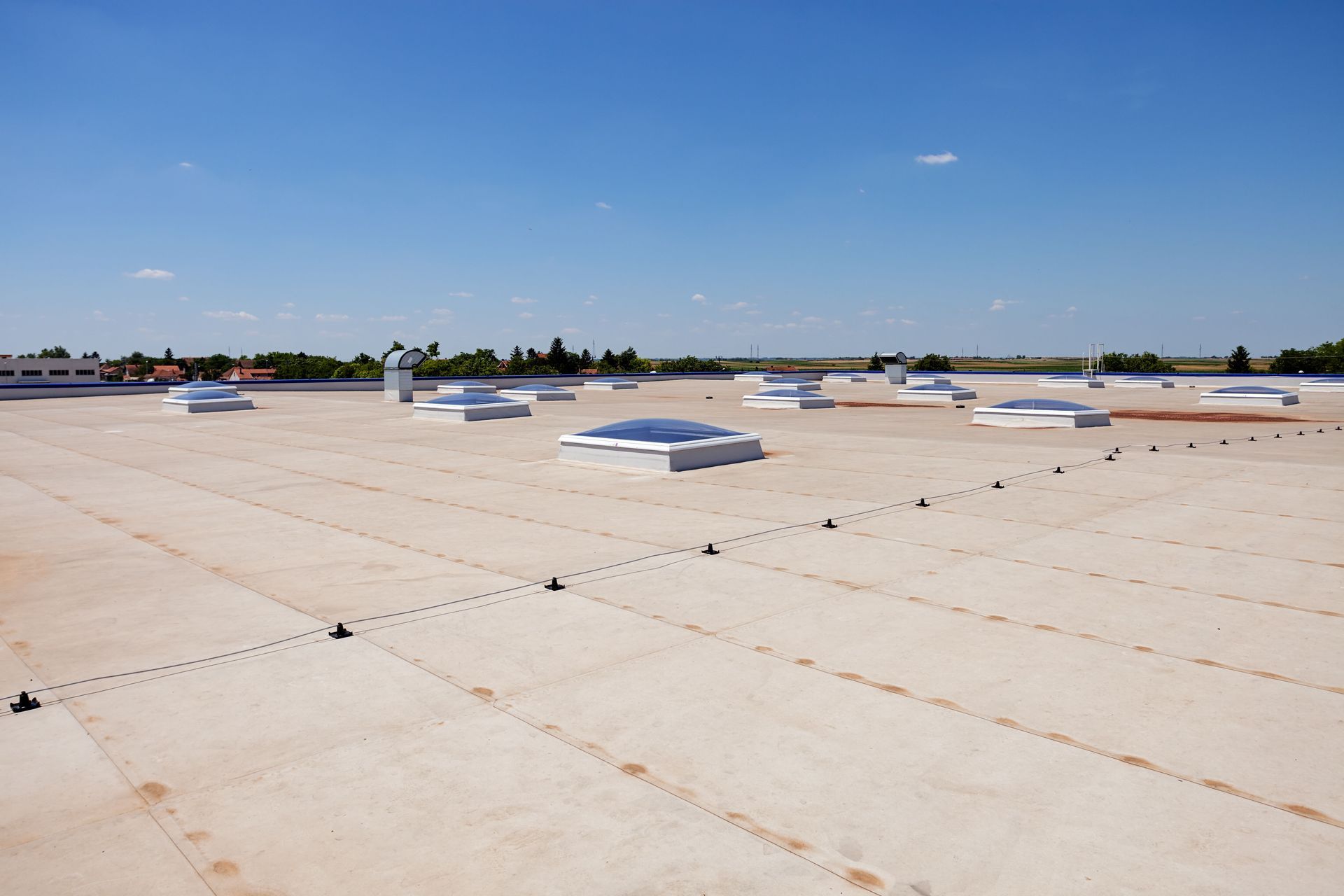
Single-ply membrane systems—primarily TPO (Thermoplastic Polyolefin) and EPDM (Ethylene Propylene Diene Monomer)—turn low-slope commercial roof decks into durable, high-performance weather shields. These multi-component assemblies incorporate heavy-duty polyisocyanurate insulation layers, cover boards, continuous waterproofing membranes, and hot-air welded or chemically bonded seams. Beyond delivering clean, modern aesthetics, these commercial systems provide exceptional resistance to standing water, chemical exposure, wind uplift, and mechanical punctures.
Reflective membranes, particularly white TPO, act as thermal shields by bouncing solar radiation away from the building structure. This high solar reflectance prevents heat absorption, keeping commercial building interiors cooler during summer heatwaves and reducing strain on industrial HVAC systems. Engaging a specialized commercial roofing contractor allows facility managers to evaluate insulation thermal values, structural load capacity, and seam integrity to build a long-lasting roofing assembly that protects the property.
Choosing the ideal commercial roofing material requires detailed evaluation of property structural design, localized weather exposure, durability goals, and operational needs. Built-up roofing and modified bitumen provide multi-layered waterproof protection for heavy-duty applications, while metal systems offer exceptional resistance to environmental impacts and solar heat gain. Single-ply thermoplastic membranes and synthetic EPDM rubber deliver lightweight, reflective, and weather-resistant coverage suited for modern low-slope structures, while green roofs offer unmatched environmental benefits. Balancing these physical traits ensures your facility remains protected.
Every commercial roofing system features distinct advantages tailored to specific structural demands, maintenance capabilities, and performance expectations. Inspecting existing conditions, evaluating structural loading limits, and scheduling routine maintenance are vital steps in protecting your commercial asset from water damage and physical deterioration. Partnering with a seasoned commercial roofing service ensures that material selection and installation processes adhere strictly to industry standards. Contact us today to discuss your building needs, and let our team at Suburban Property Services deliver the reliable results your commercial structure deserves.