October 19, 2026
Historical building restoration is a field dedicated to preserving the past while adapting structures for the present. However, misconceptions about the process often obscure its true nature and the value it brings to both communities and individual structures. By examining these misconceptions, we can better appreciate the skill, expertise, and creativity involved in restoring historical buildings.
Misconception 1: Historical Restoration Means Rebuilding From Scratch
Understanding the Difference Between Restoration and Reconstruction
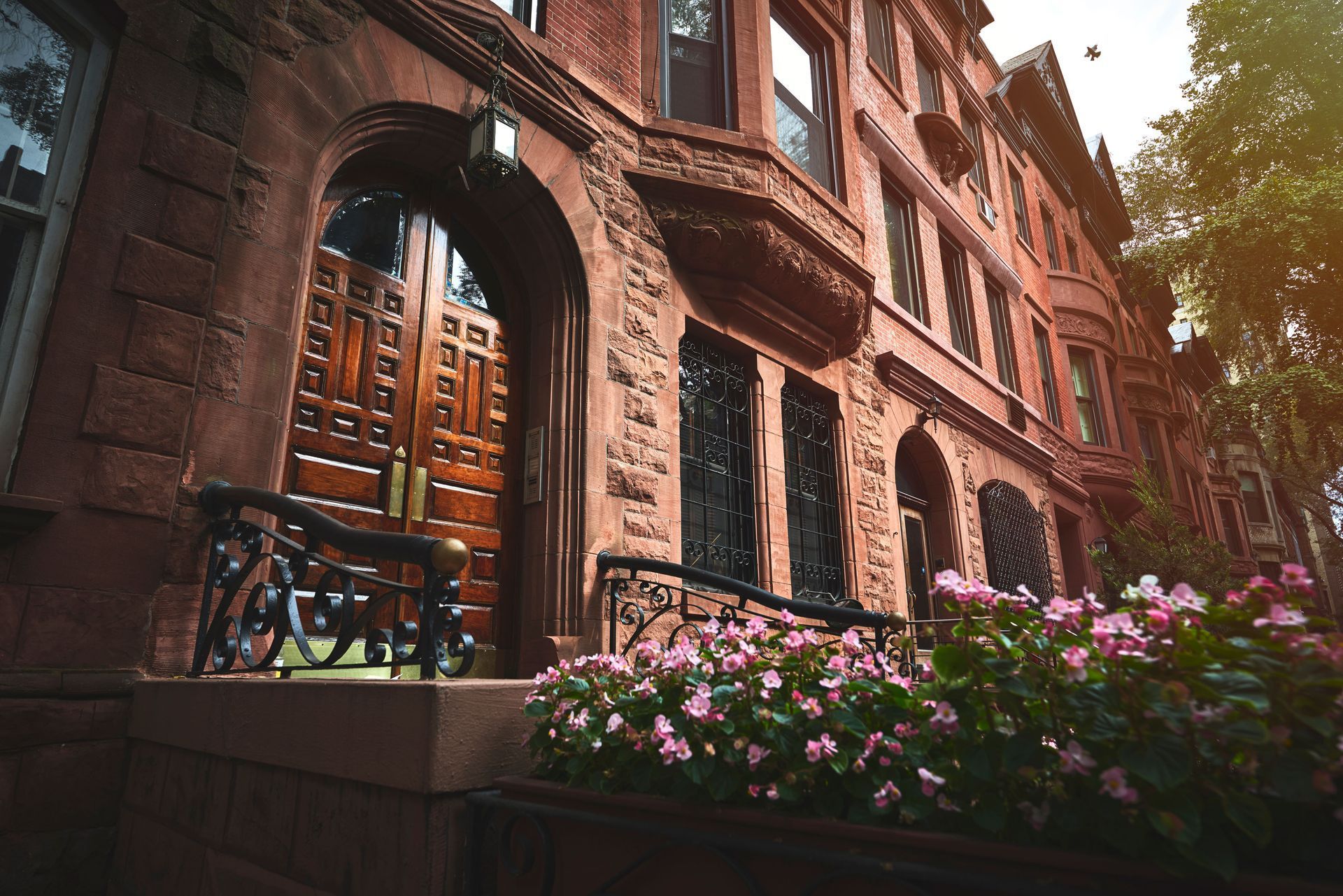
Many people mistakenly believe that historical building restoration requires rebuilding a structure from the ground up. However, restoration focuses on preserving and stabilizing existing elements of a building. Unlike reconstruction, which often involves creating replicas, restoration seeks to maintain the original materials and architectural integrity. Successful restorations respect the craftsmanship and aesthetics of the original builders, breathing new life into old structures without erasing their history. This detailed attention ensures that the stories and experiences of the past are preserved within the community fabric.
The Importance of Preserving Original Materials
At the heart of historical building restoration is the careful preservation of original materials. These materials embody the essence of the building's historical context, showcasing the technology and resources available at the time of construction. Original materials offer physical links to the past, providing unique textures and authenticity that newer materials cannot replicate. By preserving and repairing original elements, restorers maintain historical accuracy and enhance the education and appreciation of heritage. Using original materials also supports environmental sustainability, as it reduces the need for new resources and minimizes waste.
Misconception 2: Restored Buildings Aren't Structurally Sound
Modern Engineering Principles Applied to Old Structures
Many assume that restored buildings are inherently weaker than newly constructed ones, but this is far from true. Modern engineering techniques, when applied to historical structures, can significantly enhance their structural integrity. These methods include seismic retrofitting, advanced load-bearing analyses, and computer modeling to address weak points. Historical restorations often benefit from the incorporation of modern engineering to reinforce and upgrade foundational elements without altering their appearances. This ensures that historical buildings are not only preserved aesthetically but are also made safer for public use.
The Role of Safety Standards in Restoration
Contemporary safety standards play a crucial role in historical building restoration. These standards guide restorers in implementing the necessary measures to ensure that older structures meet present-day safety requirements. During restoration, buildings are evaluated for vulnerabilities such as fire hazards, structural weakness, and accessibility issues. Compliance with these regulations not only improves safety but also extends the lifespan of the restored building. Thus, a balance is achieved between maintaining historical features and ensuring that the structures are safe for occupants and visitors.
Inspections and Maintenance Post-Restoration
After the restoration process is completed, consistent inspections and maintenance are crucial for longevity. Regular assessments ensure that any structural issues that emerge are promptly addressed, safeguarding the building's integrity. Maintenance practices adapted to historical buildings involve specialized preservation techniques that account for their unique materials and architectural designs. Such diligence helps prevent degradation and keeps the building in optimal condition for future generations. Therefore, restoration is not just a one-time endeavor but part of ongoing stewardship.
Misconception 3: Restoration Ignores Modern Comforts and Accessibility
Integrating Modern Amenities While Preserving Aesthetics
One of the common concerns about restoring historical structures is the perceived lack of modern comforts. Yet, modern amenities can be seamlessly integrated into historical sites without compromising their aesthetic value. Techniques such as discreet wiring, advanced HVAC systems, and modern plumbing solutions allow for comfort enhancements. For example, hidden ductwork and underfloor heating systems can be used to upgrade the interiors while preserving historic charm. This integration ensures that historical buildings can meet contemporary needs while offering an authentic experience.
Balancing Historical Value With Contemporary Needs
Balancing historical integrity and modern functionality requires thoughtful planning and execution. Restoration professionals often work to find creative solutions that respect historical elements while accommodating technological advancements. Modern adaptations might include the installation of energy-efficient lighting or incorporating smart building systems that reduce energy consumption. By maintaining this balance, restorers can create spaces that offer the warmth of history with the convenience of modern living. This ensures that historical structures remain relevant and functional in today's world.
Misconception 4: Historical Restoration Is Prohibitively Expensive
Analyzing the Cost-Benefit Ratio of Restorations
The notion that historical building restoration is excessively costly overlooks the long-term value it provides. While initial restoration expenses can be significant, the resulting benefits far outweigh these costs. Restored buildings often experience increased property value, cultural significance, and potential revenue from tourism. Furthermore, restorations can be more economical than new constructions, especially when considering demolition costs and material savings. Thus, investing in restoration offers both economic and cultural dividends.
Understanding Funding and Grants for Restoration Projects
Several financing avenues exist to aid in offsetting the costs of historical restoration projects. Government grants, tax incentives, and private funding play significant roles in supporting restoration initiatives. Many countries and regions offer financial aid through heritage conservation organizations to encourage preservation efforts. By tapping into these resources, project stakeholders can effectively reduce financial burdens and make restoration projects more feasible. These funding opportunities highlight the importance placed on preserving cultural heritage.
Comparing Costs: Restoration vs. New Construction
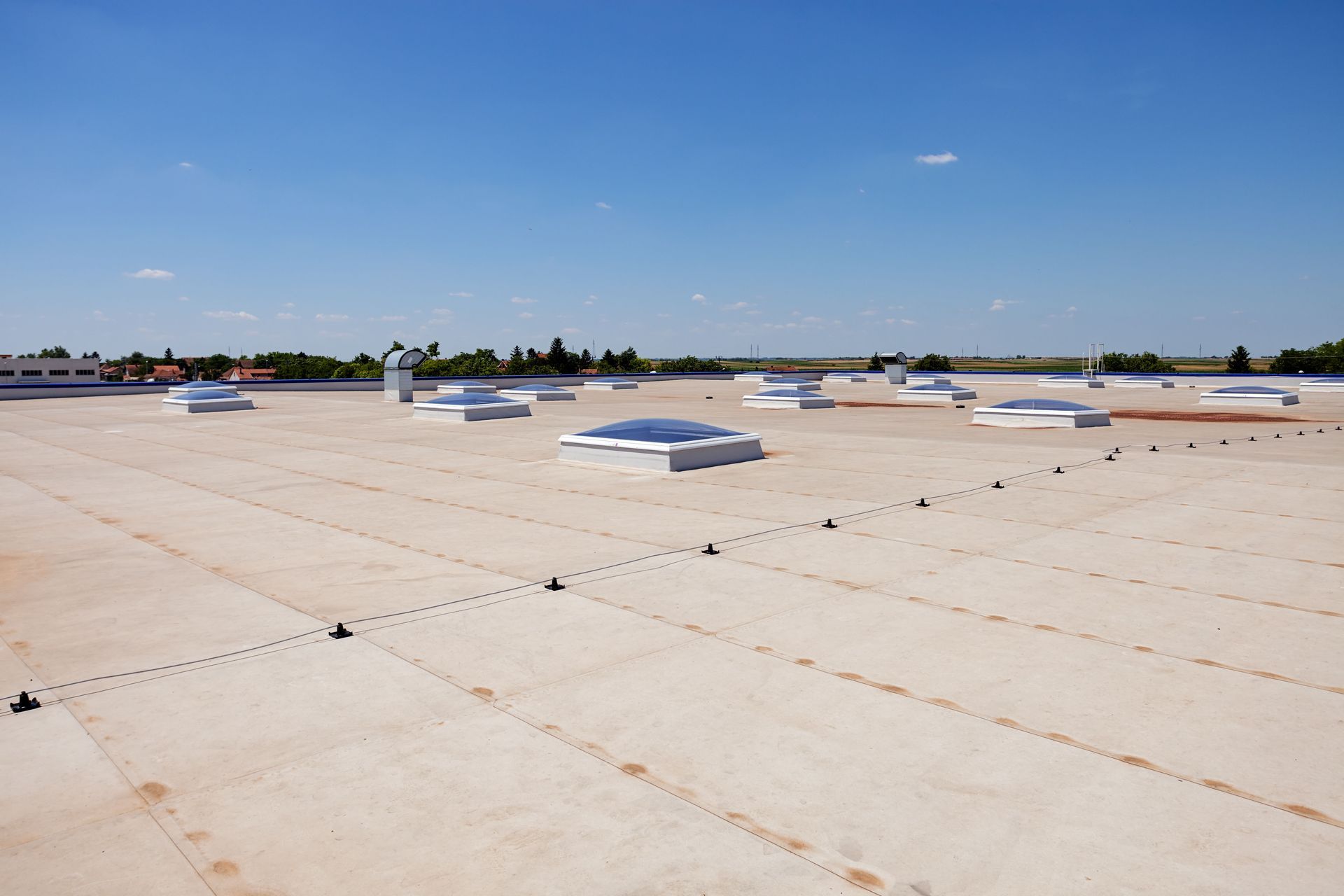
Contrary to popular belief, restoration is often more cost-effective than building anew. When you consider materials, labor, and the environmental impact, restoration emerges as a financially prudent option. Metal roofing, for example, frequently utilized in restoration projects, stands as one of the most common roofing materials due to its durability and cost-effectiveness, according to This Old House. Preserving an existing structure also reduces the need for raw materials and extensive construction waste disposal. These factors contribute to a more sustainable approach, both environmentally and economically.
Misconception 5: Restoration Doesn't Contribute to Community Enrichment
The Role of Restored Buildings in Cultural Preservation
Restored historical buildings are more than relics; they serve as anchors for cultural preservation and community identity. These structures retain stories and memories, offering educational opportunities and fostering a sense of shared history among residents. Preserving such buildings ensures that cultural narratives and architectural styles are not lost over time. As living museums, they provide platforms for learning and cultural appreciation. Consequently, restoring historical landmarks plays a vital role in preserving a community's heritage and cultural landscape.
Social and Community Benefits of Restoration Projects
Restoration projects can stimulate social cohesion and foster community pride. When communities collaborate to restore historical landmarks, it can strengthen bonds and offer shared goals. These projects often serve as catalysts for community events, educational programs, and local tourism, all of which contribute to community spirit and economic growth. By participating in preservation efforts, residents also gain a deeper appreciation for their surroundings and history. The resulting sense of pride enhances community involvement and participation in future initiatives.
Misconception 6: Historical Accuracy Limits Creative Expression
Finding Creativity Within Restoration Guidelines
It's a common belief that strict restoration guidelines curtail creative expression; however, this isn't entirely true. Working within constraints can indeed challenge creative minds to innovate and find unique design solutions. Preservation specialists often collaborate with artists and architects to incorporate new interpretations while respecting historical authenticity. By integrating contemporary art or novel uses of space, restorations can breathe new life into historical settings. Finding creative expression in restoration enhances both aesthetic appeal and historical value.
Innovative Design Solutions in Historical Contexts
Incorporating modern design elements into restored sites often requires innovative solutions that respect the historical context. Adaptive reuse, for instance, allows architects to convert historical buildings for modern purposes without compromising heritage integrity. This synergy results in unique and inspiring spaces that marry the old with the new, proving that historical accuracy and modern creativity can coexist. Projects such as juxtaposing sleek, minimalist interiors within traditional exteriors exemplify such creative endeavors. This approach honors architectural heritage while opening the door to future possibilities.
Historical building restoration is an intricate blend of preserving the past and uplifting it with the present's art and technique. Dispelling the misconceptions surrounding this field is crucial for understanding its multidimensional benefits. From preserving architectural authenticity to fostering community enrichment, restoration safeguards our culture for future generations. To learn more, reach out to the experts at Suburban Property Services today!