November 19, 2026
A commercial roof does more than cover a building. It protects employees, customers, equipment, inventory, and the daily operations that keep a company moving. When roofing materials deteriorate or drainage systems stop working properly, even a small issue can interrupt business activity and lead to damage inside the property. Working with a professional commercial roofing service helps property owners address concerns before they develop into larger operational problems.
Commercial buildings face roofing demands that differ from those of many residential properties. Large surface areas, rooftop equipment, drainage requirements, and varied building uses all influence how a roofing system performs. A planned approach to inspection, maintenance, repair, and replacement can help keep the structure protected throughout changing weather conditions. Understanding the value of professional roofing support makes it easier to make informed decisions about the condition and long-term needs of a commercial property.
Protecting Business Operations From Roof Damage
Roof problems can affect far more than the building's exterior. Water entering through damaged seams, flashing, or membrane areas may reach ceilings, walls, electrical components, and stored materials. Depending on the location and severity of the leak, businesses may need to relocate equipment, restrict access to certain spaces, or temporarily adjust normal operations. Prompt attention from a commercial roofing service can help limit disruption by identifying the source of a problem and determining an appropriate response.
Recognizing the Demands of Commercial Roofing Systems
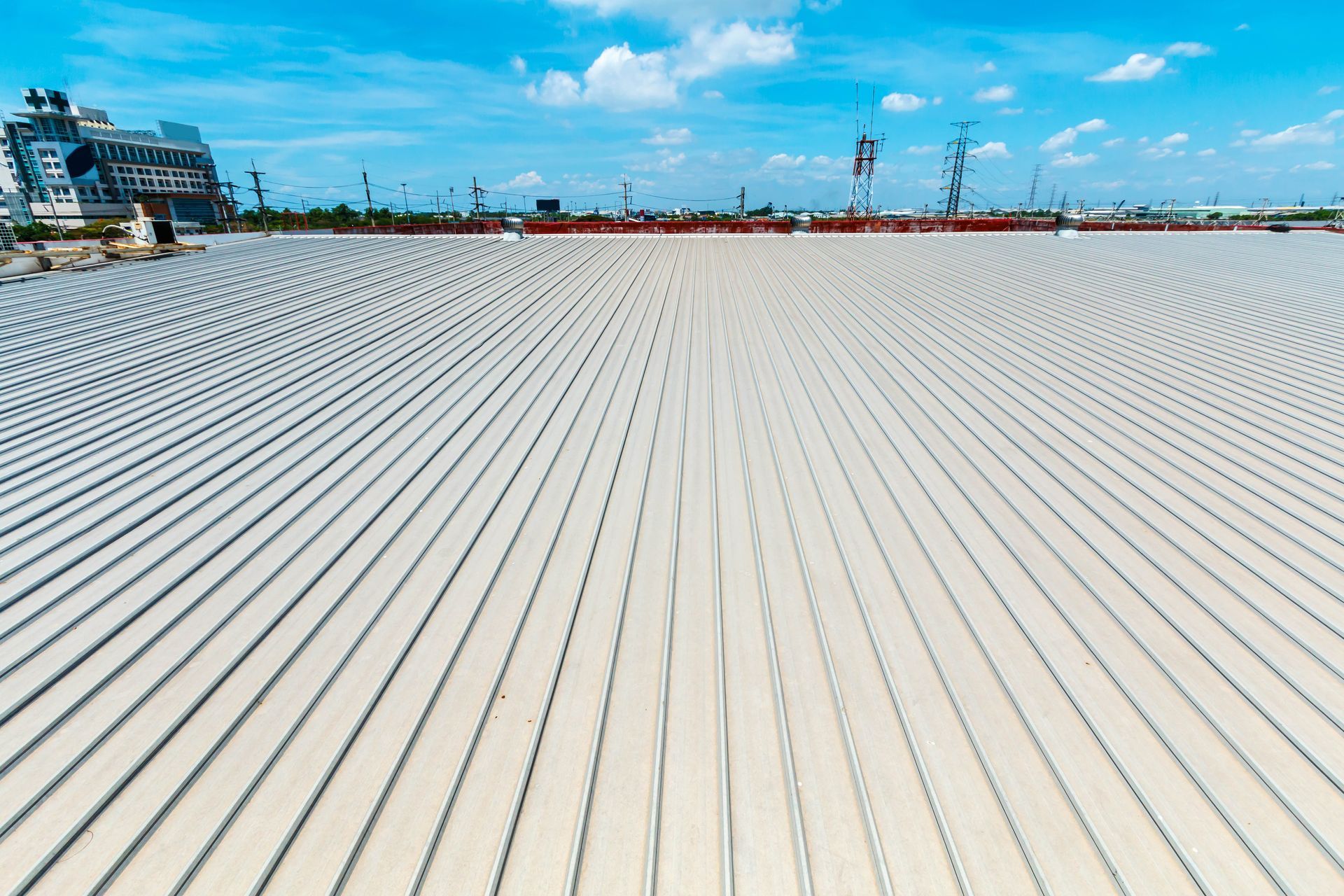
Commercial roofs are built in several configurations, and each has specific performance requirements. Flat and low-slope systems, for example, depend on carefully managed drainage because water does not run off as quickly as it does on steeply pitched roofs. Membrane systems, built-up roofing, metal panels, and other materials also have distinct installation and maintenance considerations. Selecting a commercial roofing service with experience across commercial applications helps ensure that recommendations reflect the building's design and use.
Identifying Problems Before They Spread
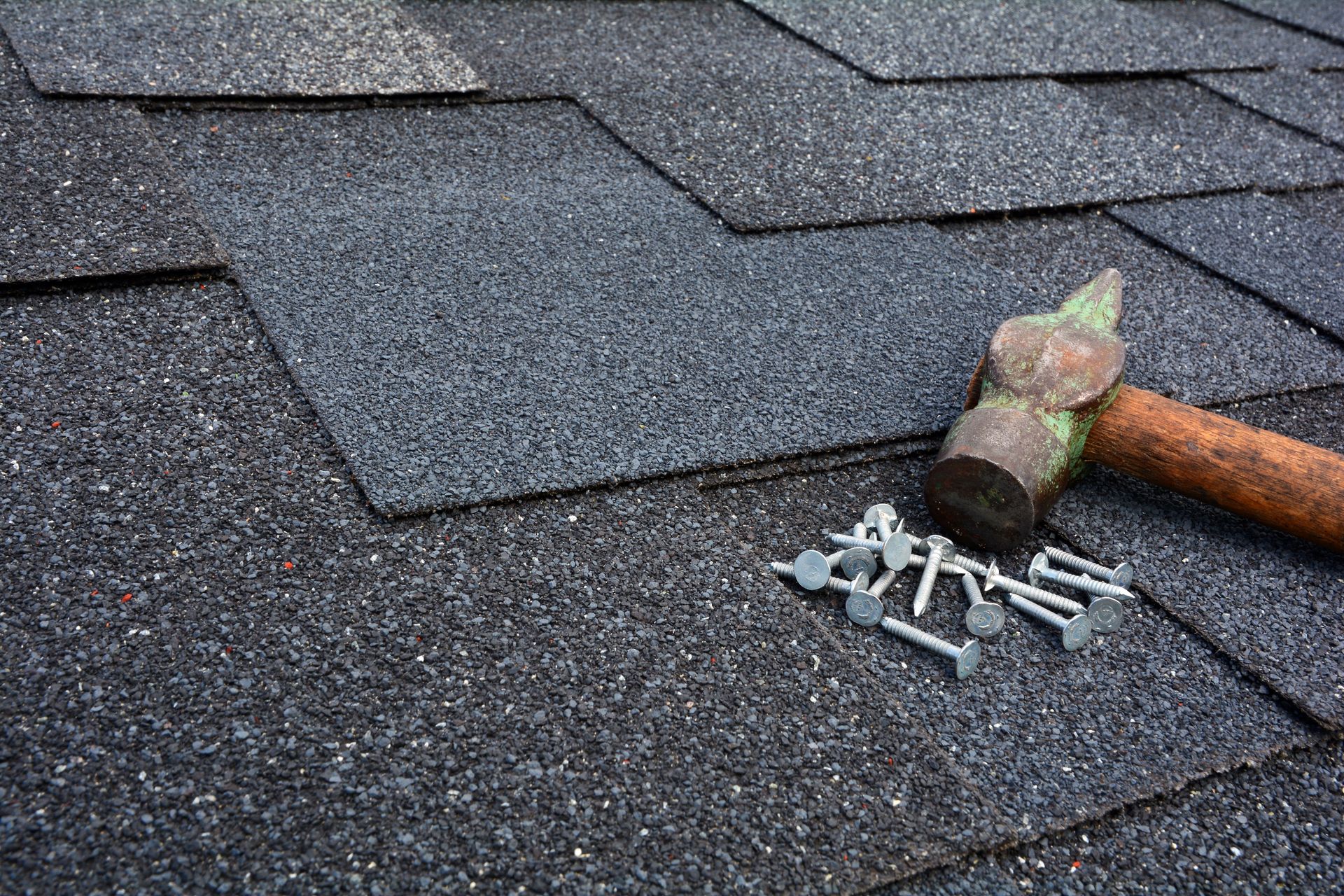
A roof can show signs of deterioration long before water reaches the interior. Depending on the system, warning signs may include cracked or open seams, punctures, loose flashing, corrosion, surface blistering, ponding water, or damaged edge details. Interior clues can include ceiling stains, peeling finishes, unexplained moisture, and recurring leaks after rainfall. Recognizing these indicators early gives property owners an opportunity to arrange a professional assessment.
Routine inspections are especially valuable after severe weather or when a building has experienced changes in use. Wind, hail, heavy rain, and temperature fluctuations can place stress on roofing materials and attachment points. A commercial roofing service can document visible concerns, evaluate vulnerable areas, and explain which conditions require immediate attention. This process helps businesses prioritize work based on the roof's actual condition instead of waiting for a more disruptive failure.
Supporting Long-Term Building Performance
A well-maintained roof contributes to the overall performance of a commercial property. When roofing materials, insulation, and drainage components function as intended, the building is better positioned to manage precipitation and outdoor temperature changes. Roof deficiencies can undermine those functions, potentially allowing moisture into the structure or contributing to unwanted heat transfer. Professional oversight helps property owners understand how roofing conditions relate to the building's broader maintenance needs.
Maintenance planning also makes it easier to track the roof's condition over time. Inspection records, repair documentation, and notes about recurring concerns can help identify patterns that may not be obvious during a single visit. For example, repeated water accumulation in one area may point to a drainage concern that needs more than a temporary correction. A commercial roofing service can provide information that supports practical planning and helps property managers evaluate future work.
Managing Roofing Needs Across Commercial Properties
Businesses may operate from offices, retail locations, warehouses, industrial facilities, or mixed-use buildings. Each property type can have different occupancy patterns, equipment requirements, and consequences when roofing work is needed. A warehouse may need protection for stored inventory, while an office building may need to maintain comfortable and accessible work areas. Roofing recommendations should reflect these operational priorities as well as the physical structure.
Evaluating Repair and Replacement Options
Not every roofing concern requires a complete replacement. In some situations, a targeted repair may address localized damage and help preserve the existing system. In other cases, widespread deterioration, recurring leaks, or aging materials may indicate that a larger project should be considered. A commercial roofing service evaluation helps distinguish between isolated problems and conditions that affect the roof as a whole.
When comparing repair and replacement options, property owners should consider the roofing system's age, condition, performance history, and the extent of existing damage. The building's future use and any planned renovations may also influence the decision. Clear explanations of the available approaches help decision-makers understand the scope of work and its expected impact on business operations. Choosing a
commercial roofing service that communicates findings in practical terms supports a more informed process.
Improving Planning and Project Coordination
Commercial roofing work often takes place around employees, tenants, customers, deliveries, and building operations. Planning is therefore an important part of the project, not simply an administrative detail. Property managers may need to coordinate access, communicate affected areas, and account for rooftop equipment or sensitive interior spaces. A clear schedule and defined work areas can help reduce confusion while the project is underway.
Weather and building conditions can also influence the timing and sequence of roofing work. Professional contractors assess these factors when developing a project plan and communicating anticipated milestones. They can explain what areas may be temporarily inaccessible and what steps will be taken to protect the property during the work. Reliable communication allows businesses to prepare staff and occupants while keeping attention on essential operations.
Choosing Professional Roofing Support
The roofing industry includes a substantial number of contractors, making it important for commercial property owners to evaluate providers carefully. According to IBISWorld, approximately 113,000 businesses operate in the roofing contractors industry across the United States. That figure reflects a broad marketplace, but not every contractor offers the same experience with commercial buildings, roofing materials, or project requirements. Property owners should look for a provider whose capabilities align with the size, design, and operational demands of the property.
Useful considerations include experience with similar commercial structures, a clear inspection process, detailed project communication, and the ability to explain recommended work. It is also helpful to understand how the contractor documents findings and coordinates activities around building occupants. Asking focused questions before work begins can clarify expectations and help avoid misunderstandings. The right professional relationship gives property managers a knowledgeable resource for evaluating roofing conditions and planning appropriate services.
A commercial roofing system is a significant part of a building's protection and daily functionality. Giving it consistent professional attention can help businesses identify developing concerns, respond to damage, and plan repairs or replacement based on the property's needs. Delaying attention may allow manageable issues to affect interior spaces, equipment, inventory, and normal operations. A proactive approach keeps roofing condition in view as part of the property's overall maintenance strategy.
Suburban Property Services can help commercial property owners address roofing needs with professional support tailored to their buildings. Whether a property requires an evaluation, maintenance, repairs, or a discussion about replacement, our team can help clarify the next steps. We understand that roofing work must account for the building and the business activities taking place inside it. Contact Suburban Property Services to discuss your commercial property and arrange the roofing support needed to help protect your investment.