October 20, 2026
According to the National Roofing Contractors Association, the cost of a commercial roof system typically represents approximately 3% to 6% of a building’s total construction cost, making roofing a major investment that requires proper planning, installation, and maintenance. Commercial roofing plays an important role in protecting buildings from weather exposure and maintaining the condition of roofing structures. Over time, roofing materials can develop leaks, wear, or other issues that require professional attention. Property owners can address these concerns through installation, repair, replacement, inspections, and maintenance from a commercial roofing service. Understanding the available roofing systems and the improvements they can provide helps businesses evaluate their options and plan for their properties' needs.
1. Durable Roofing Materials
Select Suitable Roofing Materials
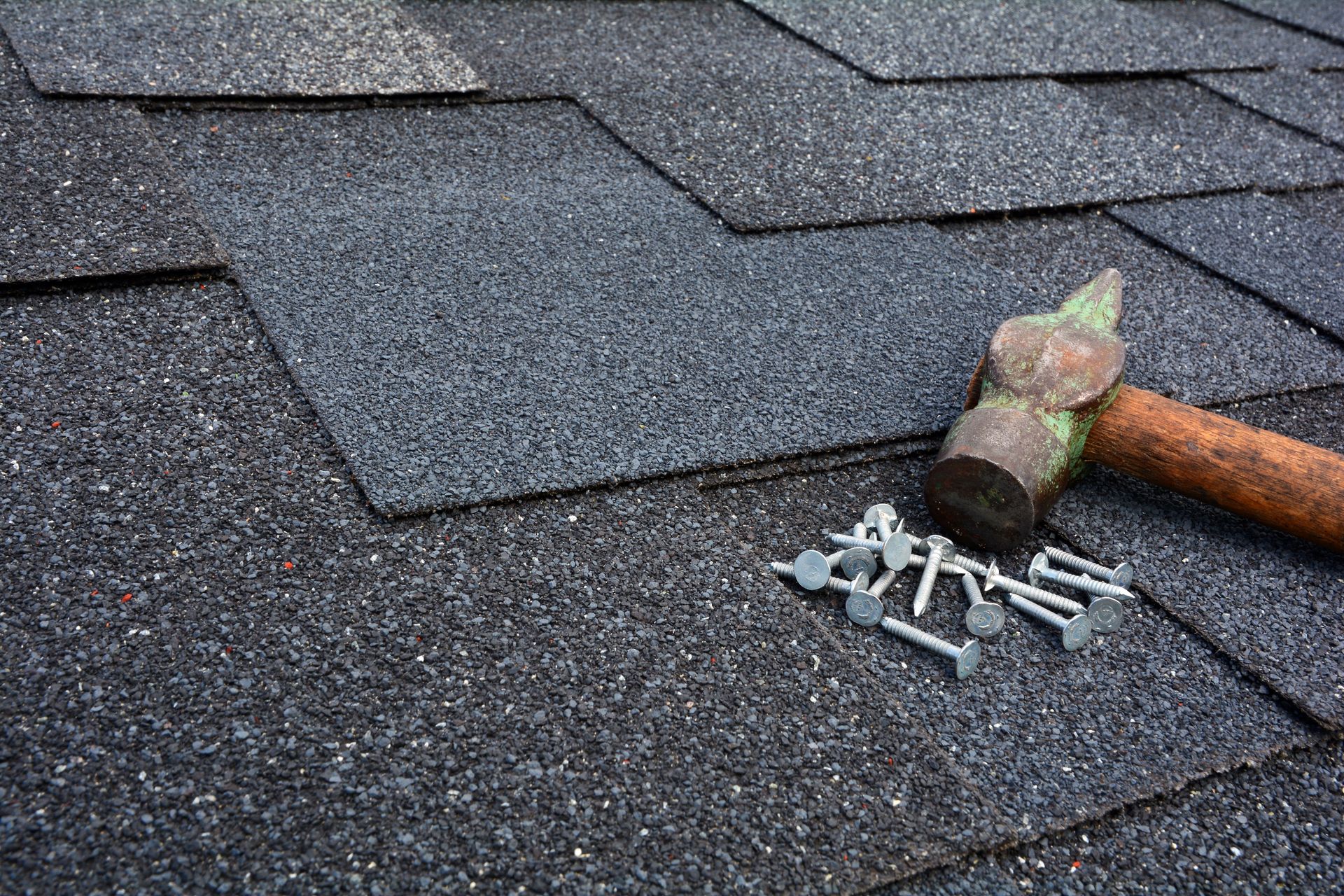
Commercial roofing systems come in several forms, and the right option depends on the building's structure, intended use, and roofing requirements. Metal roofing is available in standing seam, corrugated panel, and metal tile systems. Flat and low-slope roofing options include EPDM rubber, TPO and PVC membranes, modified bitumen, and built-up roofing (BUR), each with specific installation and maintenance considerations.
Comparing these materials helps property owners understand which options may suit their buildings. Metal roofing is used on commercial and industrial properties, while membrane and built-up systems provide options for flat or low-slope roofs. Reviewing the existing roof and the building's requirements is an important step in determining a suitable replacement or installation.
Plan for Proper Installation
Commercial roofing installation requires attention to the roofing system, building structure, and drainage requirements. Different materials have different installation methods, so the roof's design and intended use should guide project planning. For flat roofing systems, drainage is especially important because water needs a way to move off the roof rather than accumulate on its surface.
Planning also involves understanding the scope of the project and any applicable permit requirements. Evaluating these factors before installation can help clarify the work involved. This preparation also helps property owners identify a roofing system that suits the property's requirements.
2. Efficient Roofing Systems
Explore Energy-Conscious Roofing Options
Roofing materials and system designs are important considerations when evaluating a commercial building's energy performance. Available options include TPO and PVC membrane roofing, metal roofing, commercial roof coatings, and green roof installations. These systems have different characteristics, and their suitability depends on the building's design and roofing requirements.
Some metal roofing systems have reflective finishes, while TPO and PVC membranes are additional options to consider when planning commercial roofing improvements. Property owners can discuss available systems and compare their characteristics when planning a new roof or considering changes to an existing one. A commercial roofing service can help clarify the options that suit the building's structure and needs.
Review the Existing Roofing System
Before selecting a new roofing system, property owners should consider the condition of the existing roof. Damaged roofing materials, leaks, and other concerns may affect the building's overall performance. A professional evaluation can help determine whether repairs are appropriate or whether replacement should be considered.
The building's structure, drainage requirements, and intended use also influence roofing decisions. Reviewing these factors helps property owners compare available materials and identify options that align with the property's needs. This approach keeps the decision focused on the roof's condition rather than material type alone.
3. Essential Building Protection
Address Leaks and Roofing Damage
Roofing damage can allow water to enter a commercial building and affect interior spaces. Signs of possible problems include active leaks, water stains, cracks, blisters, and roofing membranes that are pulling away at the edges. Standing water or uneven areas on a flat roof may also indicate that the roof needs professional attention.
Evaluate Drainage Requirements
Drainage is a key consideration for flat and low-slope commercial roofs. These systems require appropriate drainage arrangements to prevent water from accumulating on the roofing surface. When drainage concerns go unaddressed, standing water can indicate that the roof needs inspection.
Property owners should consider drainage when installing a new roofing system, maintaining an existing one, or evaluating replacement options. Reviewing the roof's layout and condition helps identify concerns that may need to be addressed as part of the roofing project. Drainage should remain part of the overall assessment of the roofing system.
4. Appealing Roofing Options
Compare Commercial Metal Roofing Styles
Commercial metal roofing is available in several styles, including standing seam panels, corrugated panels, and metal tile systems. These options give property owners different choices when considering a roof's appearance and functional requirements. The appropriate style depends on the building and the goals of the roofing project.
When planning an installation or replacement, property owners can compare these styles alongside the existing building design. Considering the available options helps clarify which system may be suitable for the property. The selected material should also meet the building's roofing requirements.
Consider Roofing Coatings and Restoration
Roof coatings and metal roof restoration are additional options for certain commercial roofing projects. Their suitability depends on the type and condition of the existing roof. Reviewing these options can help property owners understand whether the current system may be a candidate for additional work or whether repairs or replacement are more appropriate.
5. Sustainable Roofing Choices
Explore Green Roofing Options
Green roof installations are available for commercial properties and provide another option to consider when planning a roofing project. Like metal roofing and flat roofing systems, green roofs have specific requirements that should be evaluated in relation to the building. Property owners should consider the structure and intended use of the property when reviewing this option.
Comparing green roofs with other available systems helps clarify the differences between roofing approaches. A review of the building's needs can help determine whether a green roof is appropriate or whether another commercial roofing system is a better fit. The installation requirements should also be considered during project planning.
Review Material and Maintenance Needs
Each commercial roofing system has its own maintenance considerations. Flat roofing membranes, built-up roofing, and metal roofing use different materials and installation methods, so the approach to inspecting and maintaining them will vary. Understanding these differences can help property owners plan for the ongoing care of their roofs.
Maintenance planning can include evaluating roof surfaces, checking seams and flashing, examining metal panels, and reviewing drainage. These checks help property owners monitor the roof's condition and identify areas that may require repair. Regular attention also helps clarify when additional roofing work may be necessary.
6. Long-Term Roofing Plans
Plan for Repairs and Replacement
Roofing needs can change as materials age or damage develops. Regular inspections help property owners understand the condition of their roofs and determine whether repairs, continued maintenance, or replacement should be considered. This information also helps clarify the scope of future roofing work.
Account for Industrial Building Needs
Industrial facilities, including manufacturing plants, warehouses, and distribution centers, may have large roof areas and specific operational requirements. Their roofing projects may involve flat or low-slope systems, metal roof installation and repair, or TPO and EPDM membrane solutions. The building's drainage requirements and daily operations are important considerations when planning the work.
Roofing installation and repairs can be planned around business operations when possible, including arranging certain projects for off-hours. Considering operational needs alongside roofing requirements helps businesses plan work for their facilities. The project scope should reflect the building's condition and the type of roofing work required.
Commercial roofing improvements can address durability, weather protection, energy efficiency, and appearance while supporting ongoing roof maintenance. From metal and flat roofing systems to roof coatings and green roof installations, the right approach depends on the building's structure and needs. Suburban Property Services offers commercial roofing solutions to help property owners address installation, repair, and replacement needs. Learn more about available options for your commercial property.