November 20, 2026
A commercial roof serves as the primary shield protecting your building, inventory, equipment, and daily operations from rain, wind, hail, and intense sunlight. Because flat and low-slope roofing systems cover expansive surface areas and house critical HVAC units, exhaust vents, skylights, and drainage components, even minor installation flaws or neglected wear can disrupt business activities inside your facility.
Selecting the right contractor requires looking beyond surface promises and asking thoughtful, practical questions before work begins. Knowing what to ask helps property owners and facility managers evaluate technical capability, workplace safety, and communication standards so they can partner with a reliable commercial roofing service that fits their building's needs.
1. What Types of Commercial Roofing Systems Do You Work With?
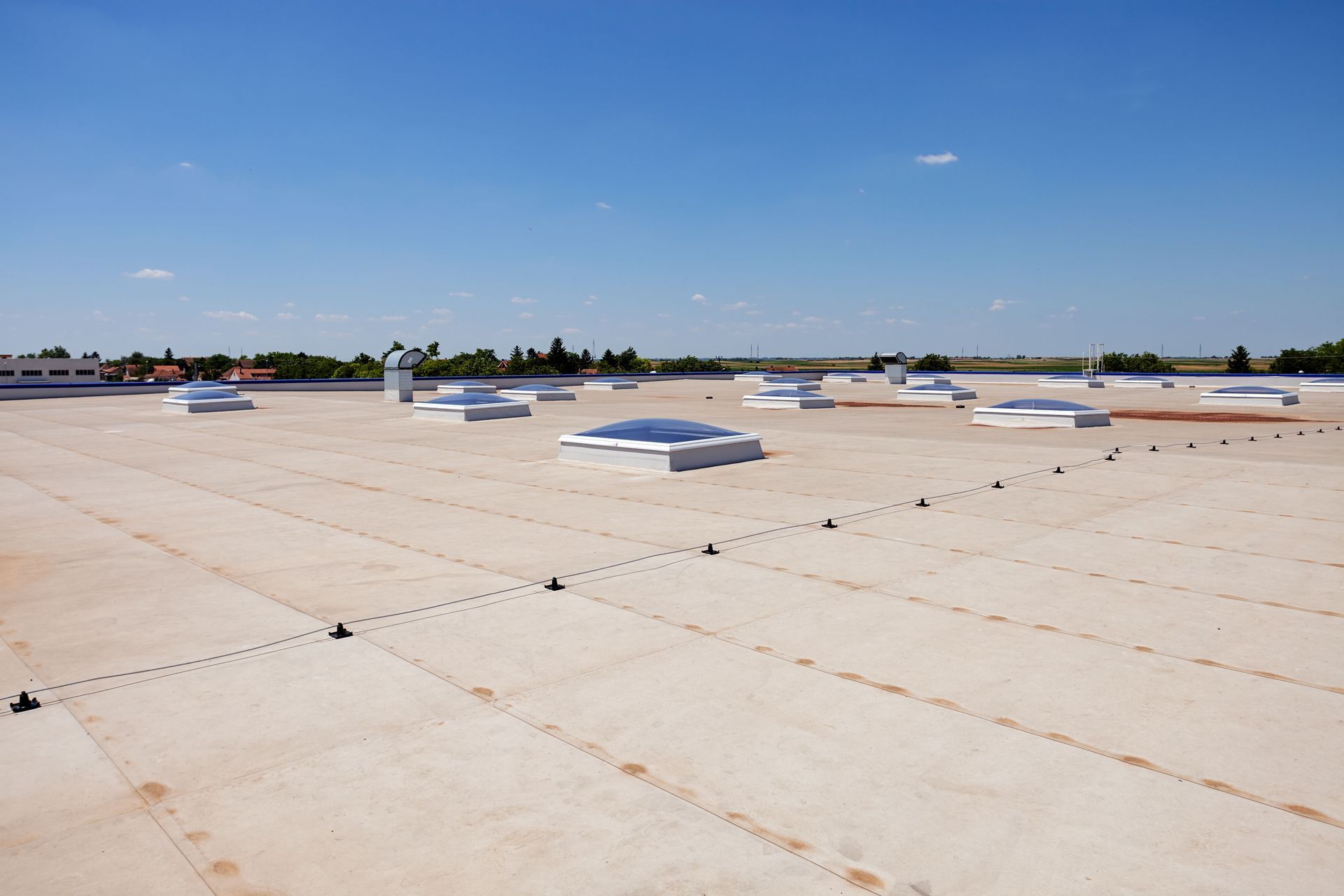
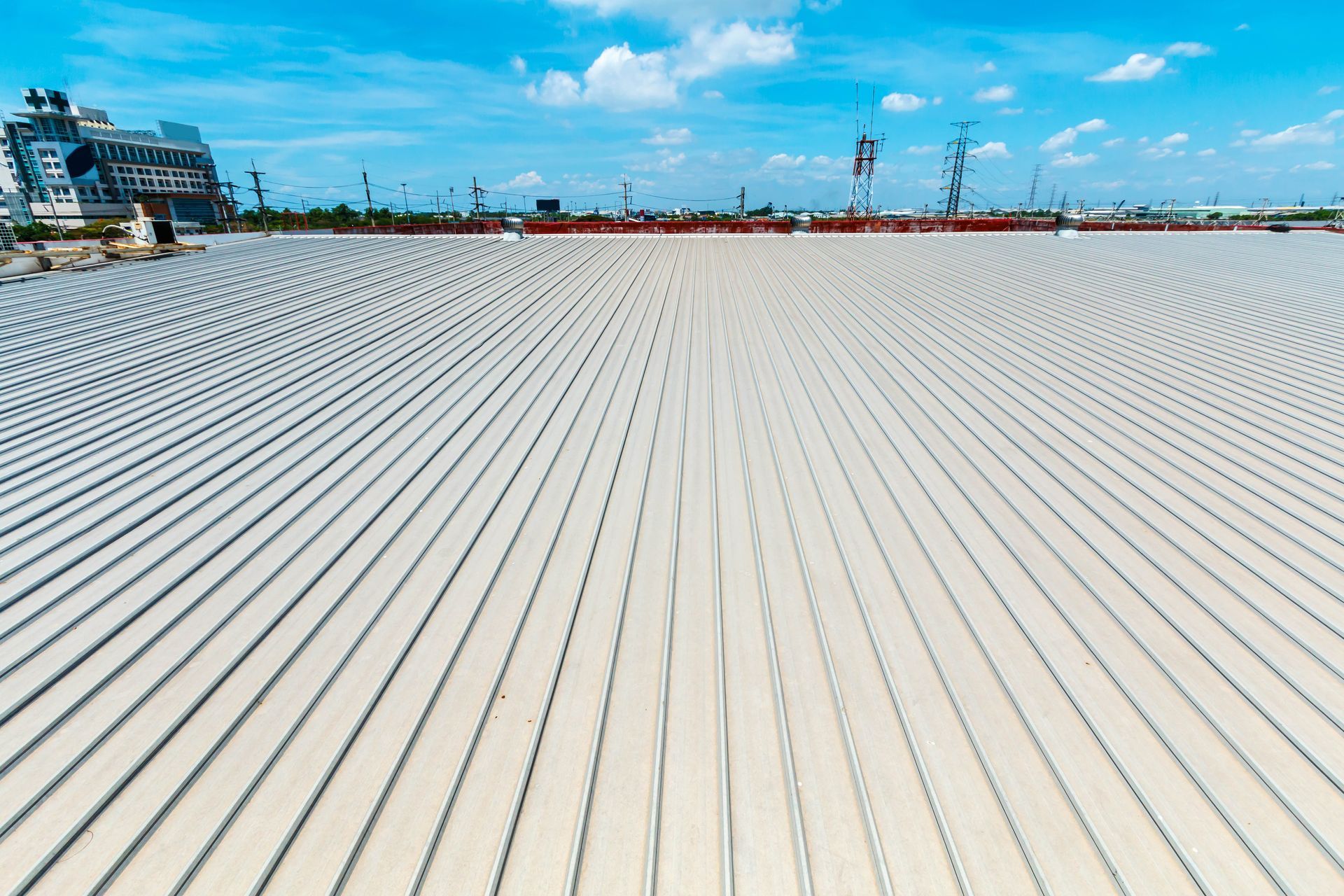
Commercial buildings vary widely in structural design, roof slope, foot traffic, and climate exposure, meaning no single membrane or panel system suits every property. Some facilities perform most effectively with single-ply membranes such as TPO, EPDM, or PVC, while others rely on modified bitumen, built-up roofing, or standing-seam metal assemblies.
Asking about material familiarity reveals whether a contractor recommends solutions based on your building's actual requirements rather than a narrow product lineup. A capable commercial roofing service will explain the strengths of each membrane, discuss how different materials handle ponding water, UV rays, and thermal expansion, and match the assembly to your roof deck and rooftop equipment layout.
2. How Do You Conduct Roof Inspections and Identify Hidden Damage?
Surface cracks, open seams, and loose flashing often tell only part of the story on an aging commercial roof. Moisture can migrate beneath membranes, saturate insulation boards, and weaken metal or wood decking long before water stains appear on interior ceilings, drywall, or warehouse storage areas.
Ask prospective contractors to describe their inspection workflow and how they document existing conditions across the entire roof plane. Thorough teams examine field seams, parapet walls, roof penetrations, drains, and scuppers while utilizing moisture meters or infrared scanning when needed. Clear photographic reports and written findings help you understand whether targeted repairs, restoration coatings, or full replacement makes the most sense.
3. Which Safety Protocols and Site Protection Measures Do You Follow?
Roofing projects on active commercial properties demand strict attention to safety for both crew members and everyone visiting or working inside the building. Heavy material pallets, hoisting equipment, bonding adhesives, and open roof edges introduce serious hazards if a contractor cuts corners on jobsite discipline.
An established commercial roofing service follows comprehensive OSHA safety standards, uses proper fall-arrest systems and perimeter warning lines, and secures staging zones around entrances, walkways, and parking areas. Confirming how the crew manages debris containment, fire safety during heat welding, and daily site cleanup protects your staff, tenants, and customers throughout construction.
4. Who Will Manage Communication and On-Site Supervision During the Project?
Miscommunication between office estimators and field crews frequently leads to scheduling delays, misunderstood specifications, and avoidable frustration for building managers. Before signing any agreement, find out who will supervise daily work on your roof and serve as your primary point of contact from mobilization through final walkthrough.
Working with an organized commercial roofing service means having a dedicated project manager or site foreman who provides regular progress updates, coordinates material deliveries, and addresses questions promptly. Clear lines of communication ensure that if crews uncover wet insulation or deteriorated decking once work starts, you receive immediate photo documentation and practical solutions.
5. How Do You Handle Scheduling and Minimize Operational Disruptions?
Most commercial facilities cannot afford to halt production, close retail doors, or block shipping bays while roof work takes place overhead. Loud tear-off equipment, material deliveries, crane lifts, and adhesive odors can interfere with normal operations if the contractor fails to plan around your daily workflow.
Ask how the crew sequences work across different roof zones and whether high-noise tasks can be scheduled outside peak business hours. Experienced commercial teams coordinate crane placement carefully, protect sensitive HVAC air intakes from fumes or dust, and keep loading docks and emergency exits unobstructed so your business continues operating smoothly.
6. What Experience Does Your Crew Have With Similar Commercial Properties?
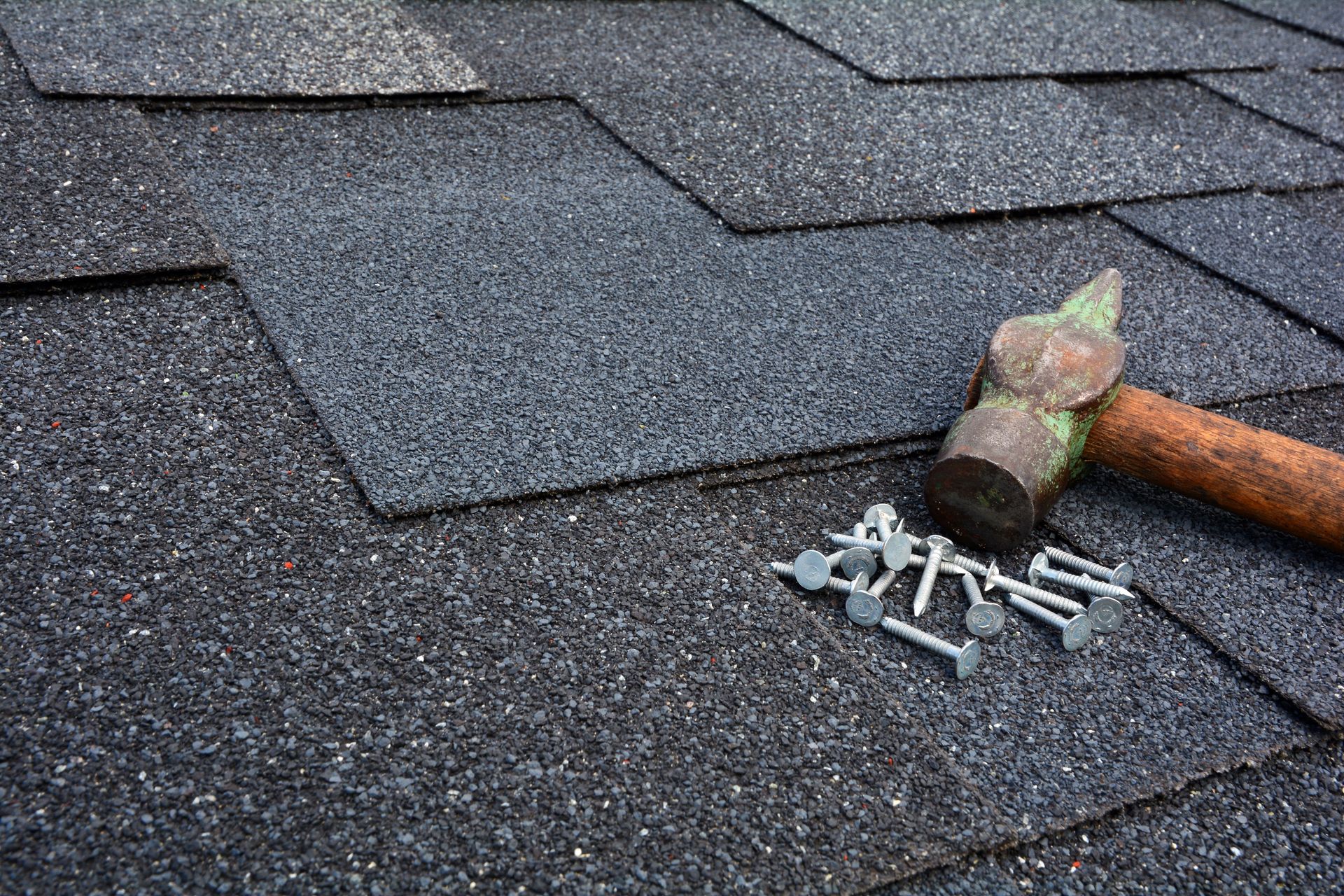
Commercial roofing differs substantially from residential shingle installation in structural engineering, drainage design, wind-uplift requirements, and specialized installation equipment. The commercial roofing sector supports a large workforce nationwide. According to WifiTalents, roughly 142,000 individuals are directly employed by commercial roofing companies across the United States as of 2026.
Because contractor capabilities vary widely across that broad workforce, verify that the crew assigned to your building regularly handles properties of similar size, height, and complexity. Partnering with an experienced commercial roofing service ensures your installers understand complex rooftop curbs, expansion joints, and commercial building codes rather than learning unfamiliar details on your property.
7. How Do You Ensure Proper Drainage and Weatherproofing Around Penetrations?
Flat and low-slope roofs depend heavily on accurate slope design and watertight detailing around every pipe, vent, skylight, and rooftop mechanical unit. Even a newly installed membrane will fail prematurely if water pools around seams or seeps into poorly sealed flashings during heavy rainstorms and freeze-thaw cycles.
Ask how the crew addresses low spots, tapered insulation layouts, internal drains, gutters, and scuppers to keep water moving efficiently off the roof surface. Detailed attention to pitch pockets, counterflashing, and reinforced seam welds prevents standing water and protects vulnerable transition points against wind-driven rain.
8. What Warranty Coverage Applies to Materials and Workmanship?
A roofing warranty is only as dependable as the company standing behind the installation and the manufacturer backing the materials. Many building owners assume all warranties offer identical protection, only to discover later that improper flashing details, skipped maintenance, or unauthorized rooftop modifications voided their coverage.
Ask contractors to distinguish clearly between manufacturer material warranties and their own workmanship coverage. A reputable commercial roofing service adheres strictly to manufacturer installation specifications so your system qualifies for full coverage, and provides written documentation outlining what is covered, how long protection lasts, and how warranty claims are handled.
9. Do You Offer Ongoing Preventative Maintenance and Emergency Repairs?
Even the strongest commercial roof requires routine care to withstand seasonal weather shifts, clogged drains, and regular foot traffic from HVAC or telecommunications technicians. Small membrane punctures, separated seams, and backed-up scuppers can turn into major interior leaks if left unchecked after severe storms.
Choosing a contractor that provides scheduled preventative maintenance and responsive emergency leak repair extends the functional lifespan of your roof. Routine seasonal inspections clear leaves and debris from drainage pathways, reinforce vulnerable flashing details, and catch minor wear early before moisture damages underlying insulation or interior workspaces.
Taking time to ask detailed questions about roofing systems, inspection methods, jobsite safety, drainage detailing, and long-term maintenance helps you compare contractors with clarity. Rather than guessing which crew can handle the demands of your facility, evaluating these essential areas connects you with a dependable commercial roofing service prepared to deliver durable workmanship and clear communication.
Protecting your commercial building starts with thoughtful planning and a knowledgeable team focused on quality results from initial inspection through ongoing seasonal care. If you are ready to safeguard your facility with reliable commercial roofing solutions, contact us at Suburban Property Services today. We will help you assess your roof's condition and keep your property protected through every season.